

Home | Preventative | Deep Cleanings
Why Do I Need a Deep Cleaning?
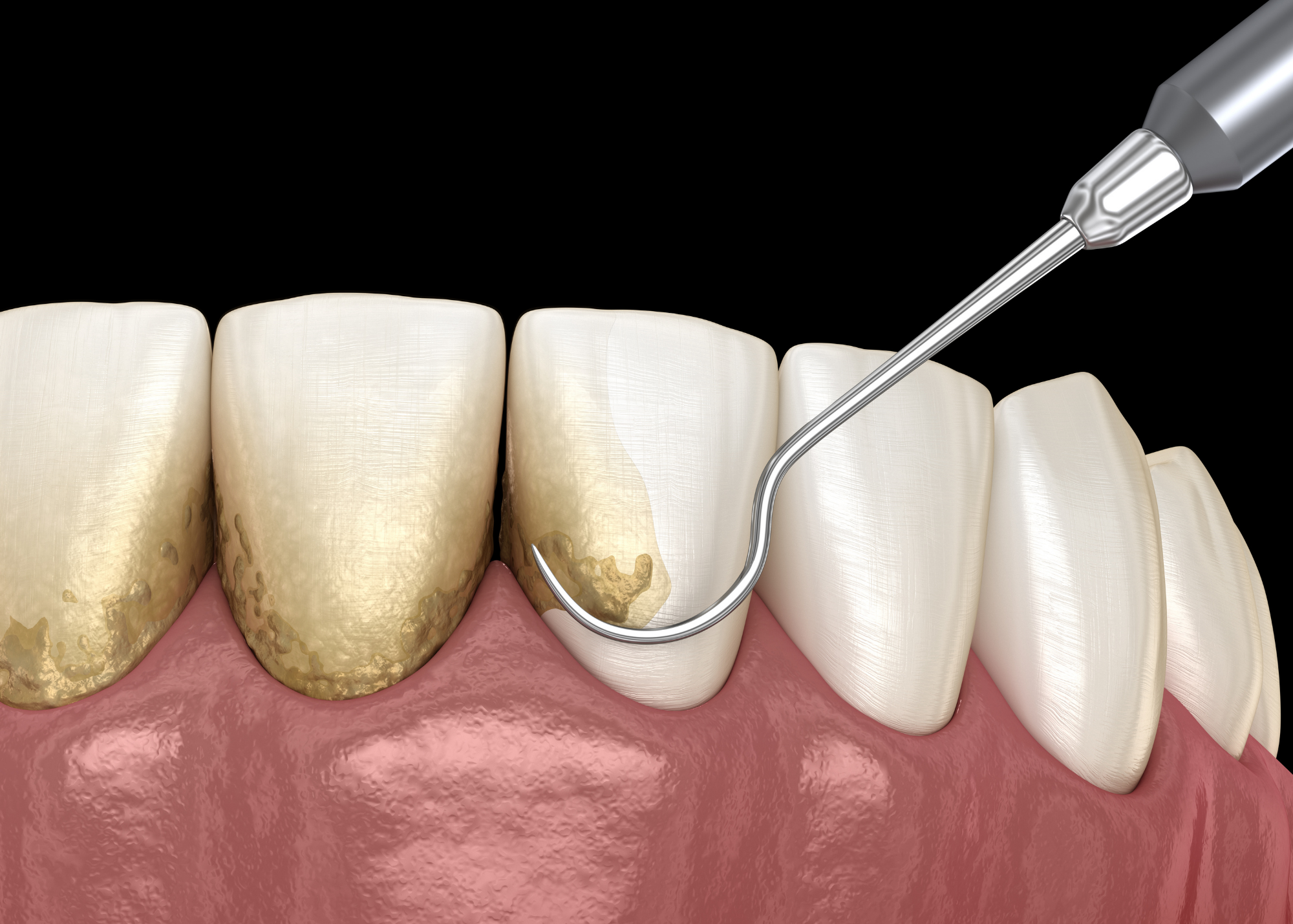
A patient may need a deep cleaning—also called scaling and root planing—when plaque and tartar build up below the gumline has caused gum inflammation, pockets between the teeth and gums, or early to moderate periodontal disease; by removing hardened deposits and smoothing the tooth roots, a deep cleaning reduces bacteria, stops further gum and bone loss, decreases bleeding and bad breath, and helps restore healthier gum attachment so that routine cleanings and other restorative or cosmetic treatments (like crowns, veneers, or aligners) can be more successful and long-lasting.
Periodontal Therapy
Periodontal therapy preserves gum health and your smile’s foundation with individualized care. For complex cases we collaborate with a trusted local periodontist on diagnosis and treatment—offering deep cleanings (scaling and root planing), laser, and surgical options. This team approach combines Dr. Toporek’s restorative and cosmetic expertise with periodontal specialists to control inflammation, stop disease progression, and optimize outcomes for restorative or cosmetic work.
How To Prevent Periodontal Disease
Preventing periodontal (gum) disease involves consistent home care, regular professional care, and managing health and lifestyle factors that affect gum health. Below are practical, evidence-based steps to reduce your risk. If signs of periodontal disease appear (bleeding gums, persistent bad breath, gum recession, loose teeth), seek timely evaluation and treatment to prevent progression.
Daily oral hygiene
Brush twice daily for 2 minutes with fluoride toothpaste using gentle circular or short back-and-forth strokes along the gumline.
Floss daily to remove plaque and debris between teeth and just below the gumline.
Use an antiseptic mouth rinse if your dentist recommends it.
Regular professional care
Schedule dental exams and cleanings every 3–6 months based on risk. Professional cleanings remove tartar that brushing can't. At routine visits, providers check pocket depths, gum attachment, and bleeding to detect disease early.
Lifestyle factors
Smoking is a major risk factor for periodontal disease and diminishes treatment success.
Frequently Asked Questions
-
Your comfort is our priority. We numb the treatment area so most patients experience little to no discomfort during the procedure. Mild soreness afterward is normal and usually resolves within a few days.
-
A deep cleaning is the first step in controlling gum disease. Combined with excellent home care and regular periodontal maintenance visits, it can help stop the disease from progressing and protect your smile.
-
Gingivitis, the earliest stage of gum disease, is reversible. More advanced periodontal disease cannot be completely reversed, but it can be successfully managed with treatment and ongoing care.
-
Untreated gum disease can continue to damage the gums and bone supporting your teeth, increasing the risk of tooth loss and affecting your overall oral health.